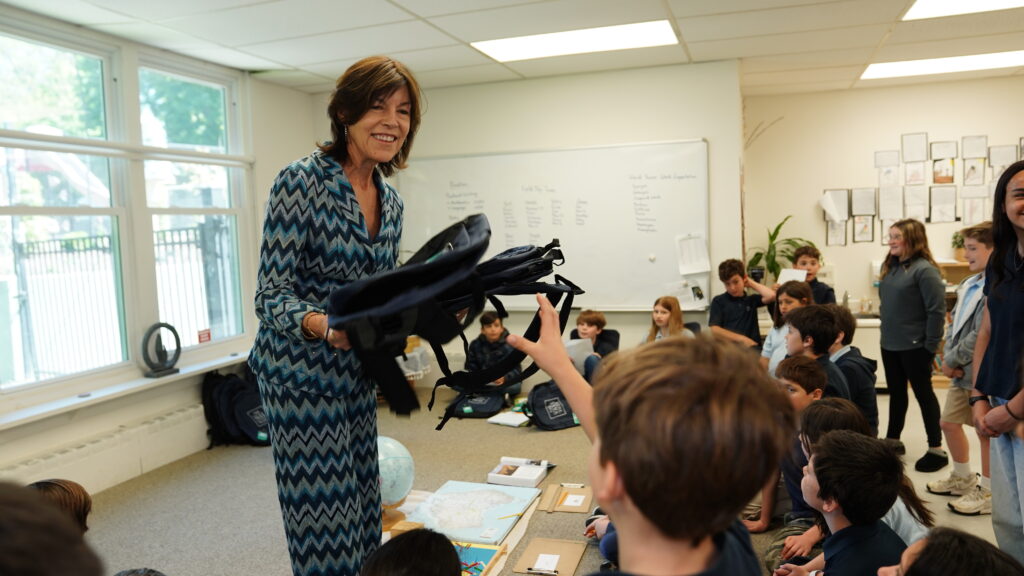
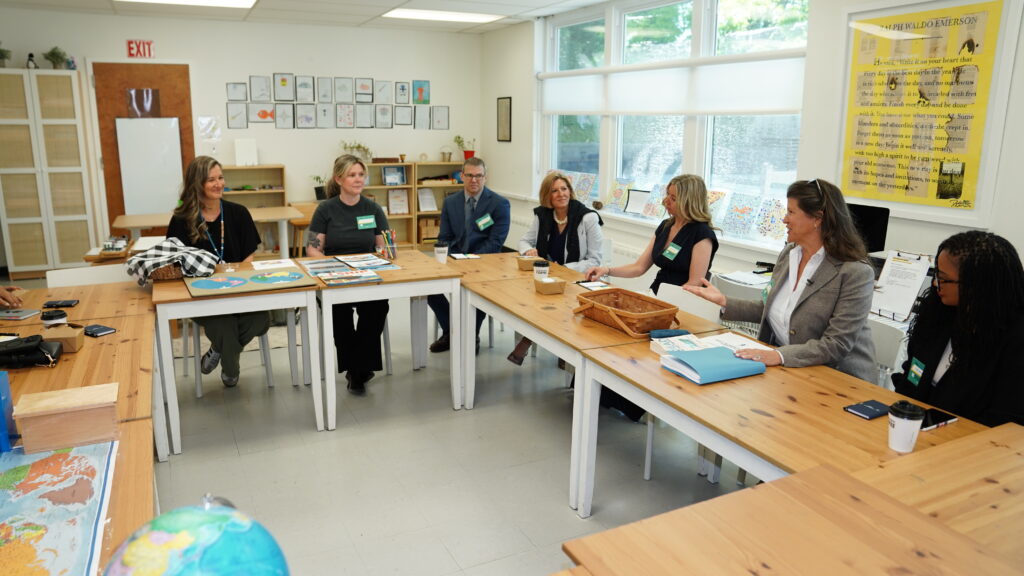
The Yass Prize Roadshow For Opportunity saved this one for last. Traveling to Long Island, our final stop for 2026 brought Yass Prize alumni, the team, and co-founder Janine Yass together at The School House – the 2025 Yass Prize finalist that has become a distinct reference point for how a school can be built around a child rather than the other way around.
That sense of community is what keeps drawing alumni back on these roadshow visits. Tee Wilson, founder of BE Academy for Girls in Nashville, attended all seven stops on the 2025 Roadshow. “I feel like I have family in this work because of all of you. Every gathering gives me the strength to keep pushing forward,” she said. It’s a reminder that the Roadshow isn’t really about any one school. It’s about what happens when the people building them get to stand in each other’s hallways.
Serving students from 18 months through eighth grade, The School House doesn’t dabble in innovation. They commit to it. Montessori, Reggio Emilia, Finnish education, civics, and entrepreneurship aren’t competing philosophies here. They’re woven into a single, coherent architecture that runs both horizontally across subjects and vertically across age groups, so the same big ideas hit every student simultaneously, just with the complexity dialed up as they grow.
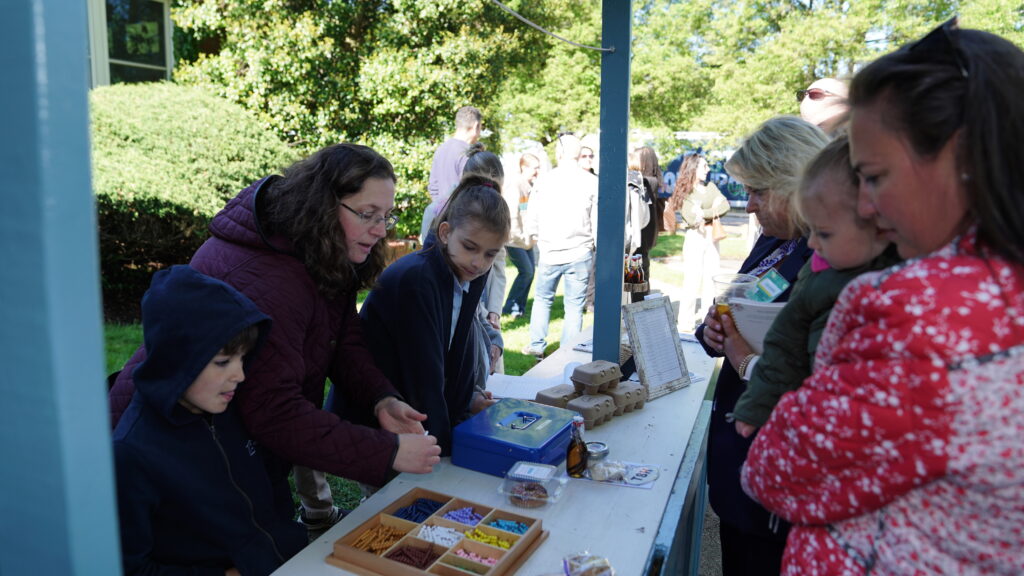
This visit didn’t begin in a classroom. Instead, it began at a student-run community farm stand where kids sold herbs, produce, and baked goods they’d grown and made themselves, from homemade vanilla extract to herbs and eggs.
Inside, lessons run ten to fifteen minutes before students shift into movement, collaboration, or independent work. 10% of every lesson is deliberately left unguided, giving space intentionally carved out for curiosity to do its job. Mixed-age classrooms mean younger students are constantly watching and modeling older peers, while older peers are supporting, teaching, and helping with their peers’ learning.
Student assessment looks different too. Socratic circles. Peer-built quizzes that students take together and correct together. High stakes annual testing reframed simply as “puzzles.” The goal isn’t to eliminate rigor. It’s to remind students to “show what they know” without unnecessary pressure.
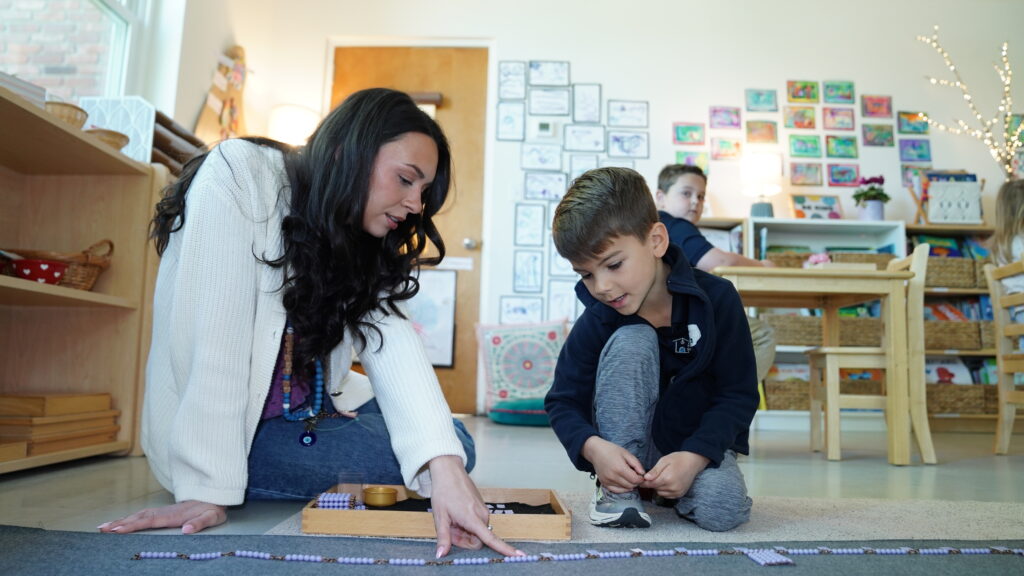
School House’s American Emergent Curriculum didn’t happen overnight – it took fourteen years and nearly 70 contributors. The result is a one-of-a-kind interdisciplinary architecture delivered both horizontally and vertically, spanning 4,000 years of history, 35 countries, 7 continents, 9 areas of science, 12 critical thinking skills, and 8 key emotional competencies, all anchored by more than 45 works of literature a year. This isn’t a curriculum borrowed from somewhere else. It was built from scratch, and the results show it.
Their operational philosophy is just as sharp and sustainable. Only 8% of funding goes to administration. Everything else follows the child. Family engagement isn’t homework. It’s weekly enrichment activities designed to make parents genuine partners.
What The School House ultimately demonstrates is that educational innovation doesn’t require new technology or a new system. It requires conviction – the radical belief that children are already wired to learn, and the discipline to build an environment that gets out of their way.
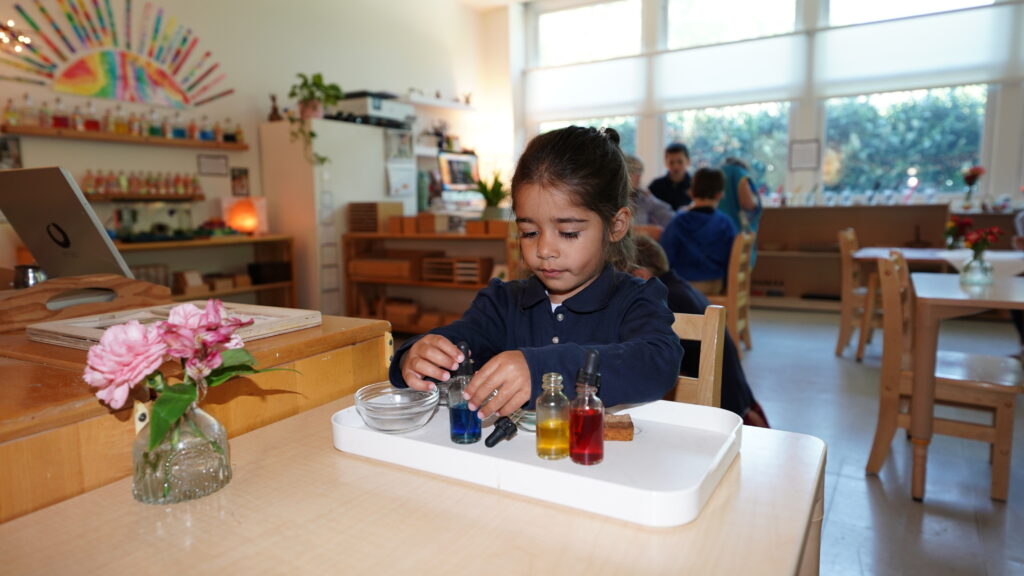
As a closing stop for the Roadshow, it landed like a thesis statement. Too many schools are built for systems, for optics, for the adults running them. The School House was built for one person – the child. Sometimes the most advanced thing education can do is start there, and never lose sight of it.
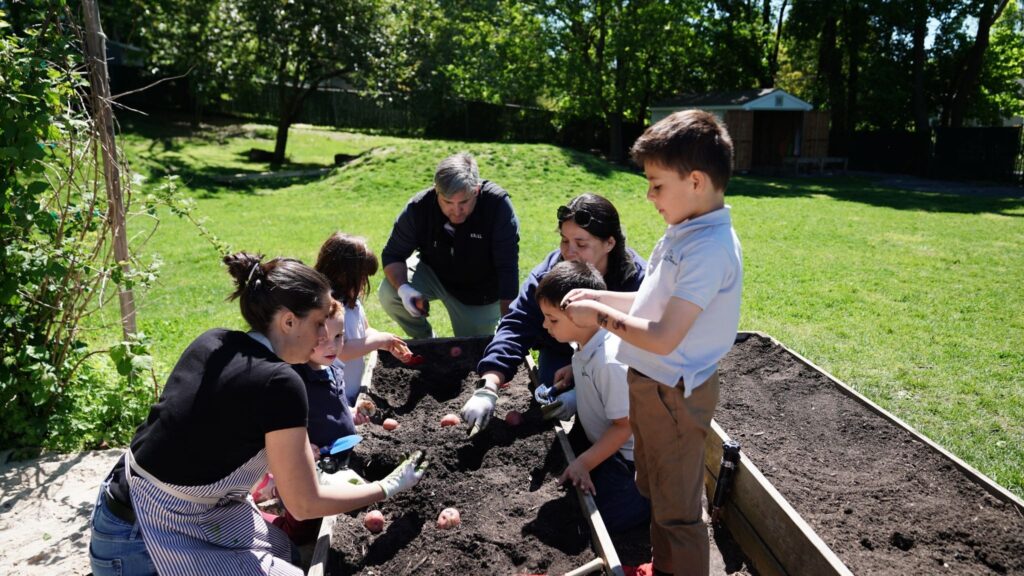
See full gallery here. Missed the other stops? Catch every recap from the 2026 Roadshow for Opportunity here.